Celebrating Hassidic Tradition with a Musical Figurine
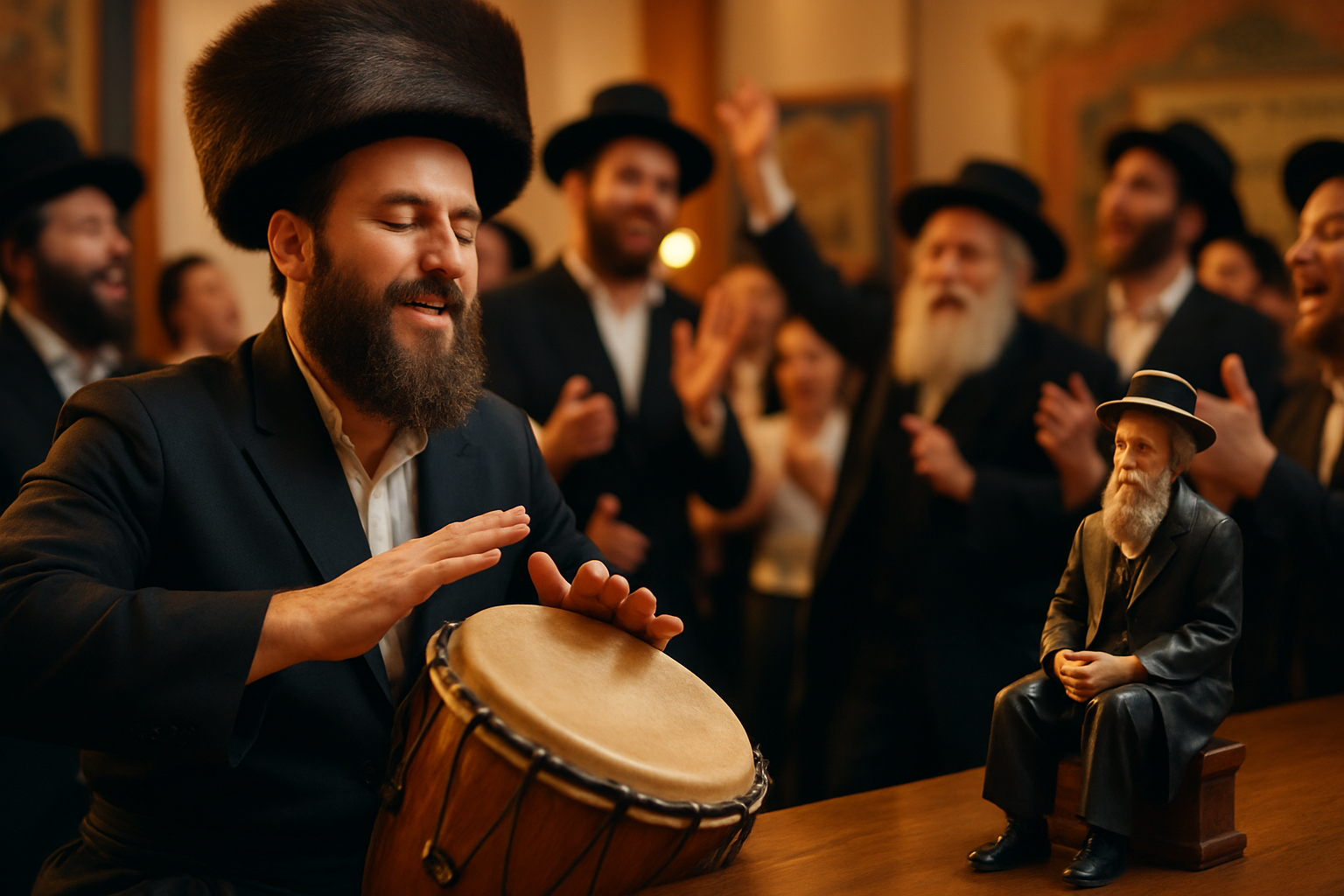
The room is alive with the vibrant sounds of music, the rhythmic beat of drums echoing through the air as a group of Hassidic Jews celebrate a joyous occasion. At the heart of this scene, a drum player, eyes closed in deep concentration, taps out an invigorating tune that uplifts everyone’s spirits. This lively image is beautifully encapsulated in the Polymer Sitting Hassidic Figurine with Black Cloth Legs 25 cm – Drum Player – Silver, a piece that brings the warmth and joy of Hassidic music into your home.
The Roots of Hassidic Musical Tradition
Hassidic music has deep roots in Jewish tradition, expressing both spiritual and cultural dimensions. Emerging in 18th-century Eastern Europe, the Hassidic movement placed emphasis on joy and spirituality through music and dance. The teachings of the Baal Shem Tov, the founder of Hassidism, encouraged followers to find divinity in every aspect of life, including music. This gave rise to the niggun, a wordless melody transcending language, allowing the soul to connect with the divine.
Textual references to music abound in Jewish tradition. The Book of Psalms, credited to King David, is replete with verses highlighting the use of instruments in worship. The Talmud also underscores music’s significance, especially during celebrations. For Hassidim, music is more than an art form; it’s a means of spiritual elevation and communal joy. Essentially, music bridges the earthly and the divine, a concept deeply resonant within Hassidic teachings.
This intertwining of music and spirituality is not just a historical artifact but a vibrant part of modern Jewish life. From joyous celebrations to quiet reflections, music enriches both communal and individual experiences, remaining a cherished companion.
Distinctive Musical Expressions Across Communities
While Hassidic music’s core elements remain consistent, regional and communal variations lend unique flavors to the tradition. In Eastern European communities, for example, the klezmer style thrives, characterized by lively melodies and instruments like the clarinet and violin. Conversely, Sephardic Hassidic communities might weave in Middle Eastern influences, using instruments such as the oud or darbuka.
These variations extend to the role of music in rituals and celebrations. In some communities, drums are central to wedding ceremonies, setting a rhythmic backdrop for the dancing. Others might emphasize vocal harmonies, with instruments subtly supporting. Each community, while maintaining the essence of Hassidic music, infuses it with distinct cultural nuances, crafting a soundscape that mirrors their identity.
Moreover, the adaptability of Hassidic music ensures its evolution while retaining core values. This enduring spirit showcases its ability to resonate with diverse audiences across different cultures and eras.
Integrating Hassidic Figurines into Modern Homes
Today, Hassidic music’s tradition thrives globally, not just in Israel but within Jewish communities everywhere. For many, owning a piece of Judaica reflecting this vibrant culture helps keep the tradition’s spirit alive. The Polymer Sitting Hassidic Figurine is a reminder of the joy and spirituality that music brings to Jewish life.
In homes outside Israel, such figurines create a bridge between past and present, offering a tangible connection to one’s heritage. Often displayed in living rooms or personal study areas, they inspire reflection and conversation. As gifts, they are cherished for their cultural significance and craftsmanship, making them a meaningful addition to any home.
These figurines transcend mere decoration; they tell stories. Each piece embodies tradition’s weight and cultural expression’s vibrancy, inviting viewers to explore the stories and values they represent.
Caring for Your Hassidic Drum Player Figurine
Treating the Hassidic Drum Player Figurine with respect is essential. Crafted from polyresin and fabric, it combines durability with delicacy. To clean the figurine, gently dust it with a soft cloth and avoid harsh chemicals that could damage the fabric or silver finish.
Ensure the figurine is stably positioned away from direct sunlight, which might fade its vibrant colors. Handle it carefully when moving to avoid accidental damage to its intricate details. By following these simple steps, you can preserve the beauty and joy of this figurine for years.
Proper care not only maintains the figurine’s appearance but also honors the cultural significance it represents. It becomes a lasting symbol of the joyful traditions it celebrates, infusing your everyday life with that joy.
Finding the Ideal Spot for Your Figurine
Choosing where to place your Hassidic Drum Player Figurine can enhance its impact. Consider areas where it might inspire joy and reflection, such as a mantelpiece in the living room or a shelf in a study area. These locations allow the figurine to become a focal point, drawing attention and sparking conversation about the rich traditions it embodies.
Alternatively, situating the figurine in a communal space can remind everyone of shared values and cultural heritage. Whether as a centerpiece during family gatherings or a quiet presence in a personal retreat, the figurine’s placement influences the space’s atmosphere, filling it with warmth and tradition.
For those seeking to incorporate Hassidic tradition into their decor or find a meaningful gift, the Polymer Sitting Hassidic Figurine with Black Cloth Legs 25 cm – Drum Player – Silver is an excellent choice. Its presence can serve as a daily reminder of the joy and spirit of Hassidic music.